
Why More Wine Drinkers Are Choosing Preservative-Free Options and What It Actually Means
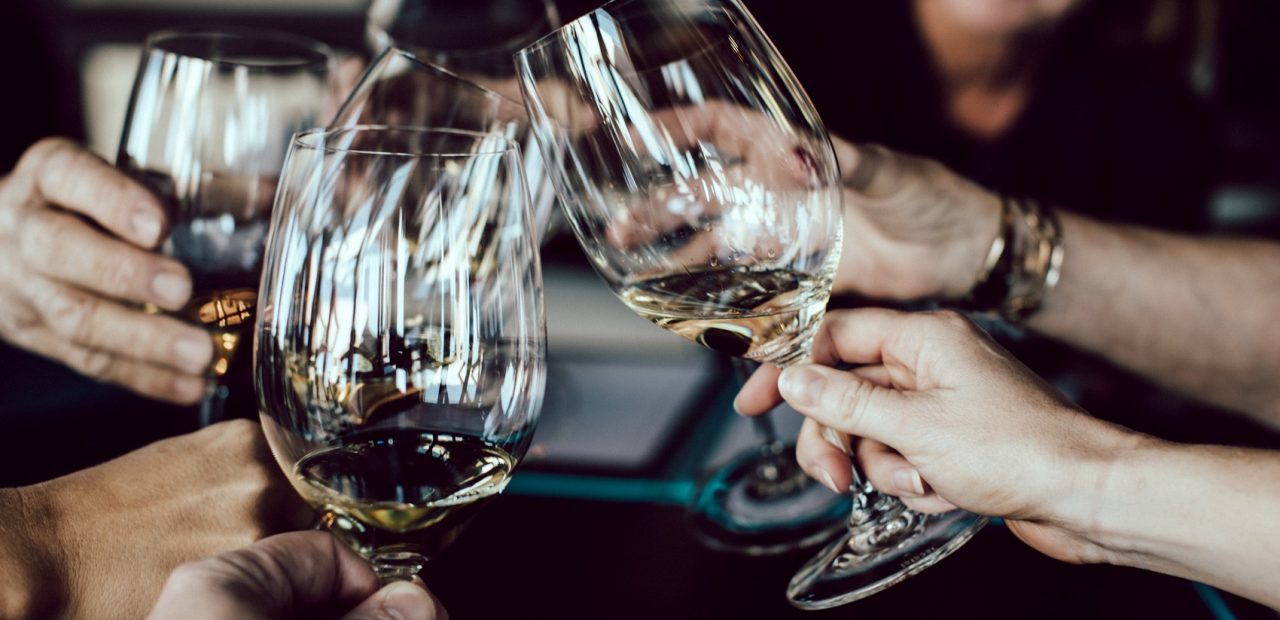
There’s a quiet shift happening in how Australians think about wine. It’s not just about region or grape variety anymore. More people are reading labels, asking questions, and reaching for bottles that list fewer additives. Preservative-free wine sits right at the centre of that conversation, and it’s worth understanding what the category actually offers before you write it off as a wellness trend.
What “Preservative Free” Actually Means on A Label
In Australia, the term refers to wine made without added sulphites, which are the preservatives most commonly listed as “220” on wine labels. Sulphur dioxide has been used in winemaking for centuries because it stabilises wine, prevents oxidation, and stops unwanted microbial activity during storage.
Removing it entirely is not a simple swap. It changes how the wine behaves from the moment fermentation ends, how it travels, and how long it stays fresh once opened.
Preservative free wine does not mean the wine contains zero sulphur. Fermentation naturally produces trace amounts of sulphites as a by-product of yeast activity. What the label tells you is that nothing extra was added by the winemaker.
Why Sulphites Became Controversial
For most people, sulphites at typical wine levels cause no noticeable reaction. That said, a portion of the population, particularly those with asthma or sulphite sensitivity, does experience headaches, flushing, or congestion after drinking conventional wine.
The difficulty is that people often blame sulphites for reactions that are actually caused by histamines, tannins, or simply the alcohol itself. Red wine in particular contains histamines and tannins that can trigger symptoms in sensitive individuals, regardless of whether preservatives were added.
Still, the preference for wine no preservatives added is growing, and it’s not entirely driven by health concerns. A lot of drinkers simply want to know what’s in their glass.
How Winemakers Compensate Without Sulphites
Making wine without added preservatives requires a more hands-on approach in the vineyard and the winery. Grapes need to arrive at the winery in excellent condition, which means careful harvesting and temperature control from the moment they’re picked.
In the cellar, winemakers typically rely on:
- Scrupulous hygiene at every stage to prevent spoilage
- Temperature-controlled fermentation environments
- Inert gas blanketing to reduce oxygen exposure during bottling
- Minimal handling to avoid introducing contaminants
The result, when done well, is a wine that expresses the fruit and the site more directly. There’s less to hide behind, which is why quality viticulture matters even more in this style.
The Character Argument for No-Additive Wines
This is where things get genuinely interesting. Winemakers who work without the safety net of added sulphites tend to be more attentive at every stage of production. They can’t afford not to be. That rigour often produces wine with more expressive character and a cleaner finish.
Preservative free red wine in particular tends to show more immediate, forward fruit. The tannins often feel softer, and there’s less of that sharp, astringent quality that some people associate with cheaper conventional reds.
It’s not that sulphites kill flavour. Used well, they preserve it. But their absence, in the hands of a skilled producer, allows the natural fermentation character to come through more clearly.
Shelf Life and Storage: The Honest Trade-Off
This part matters and it’s worth being direct about. No preservative wine has a shorter shelf life than conventional wine. Once opened, most preservative-free bottles are best consumed within a day or two, and some within hours, particularly delicate whites.
Unopened, they’re generally best consumed within 12 months of vintage, though this varies by producer and style. Storing them somewhere cool and dark extends their window considerably.
If you’re buying a case to cellar for five years, preservative-free options are probably not the right fit. But for regular drinking, bought fresh and enjoyed promptly, the shelf life difference rarely causes problems.
Finding Quality Options in Australia
Australia produces some genuinely excellent examples of this style. Regions with reliable dry growing seasons, like parts of South Australia and Western Australia, suit the production requirements well because disease pressure is lower and grapes tend to arrive at the winery in better condition.
The best preservative free wine Australia has to offer tends to come from producers who treat the no-additive approach as a philosophical commitment rather than a marketing angle. They grow the fruit accordingly, run tight cellars, and don’t cut corners on handling.
When shopping, look for producers who are transparent about their methods. A label that says “no preservatives added” alongside genuine information about how the wine was made is always more reassuring than one using the term with no further context.
Is It Worth Trying?
Honestly, yes. Not because it’s necessarily better than conventional wine in every situation, but because the category has matured. What’s available now is a long way from the flat, short-lived bottles that gave natural and preservative-free wine a mixed reputation a decade ago. Give a well-made example a try with dinner this week and judge it on what’s in the glass.


